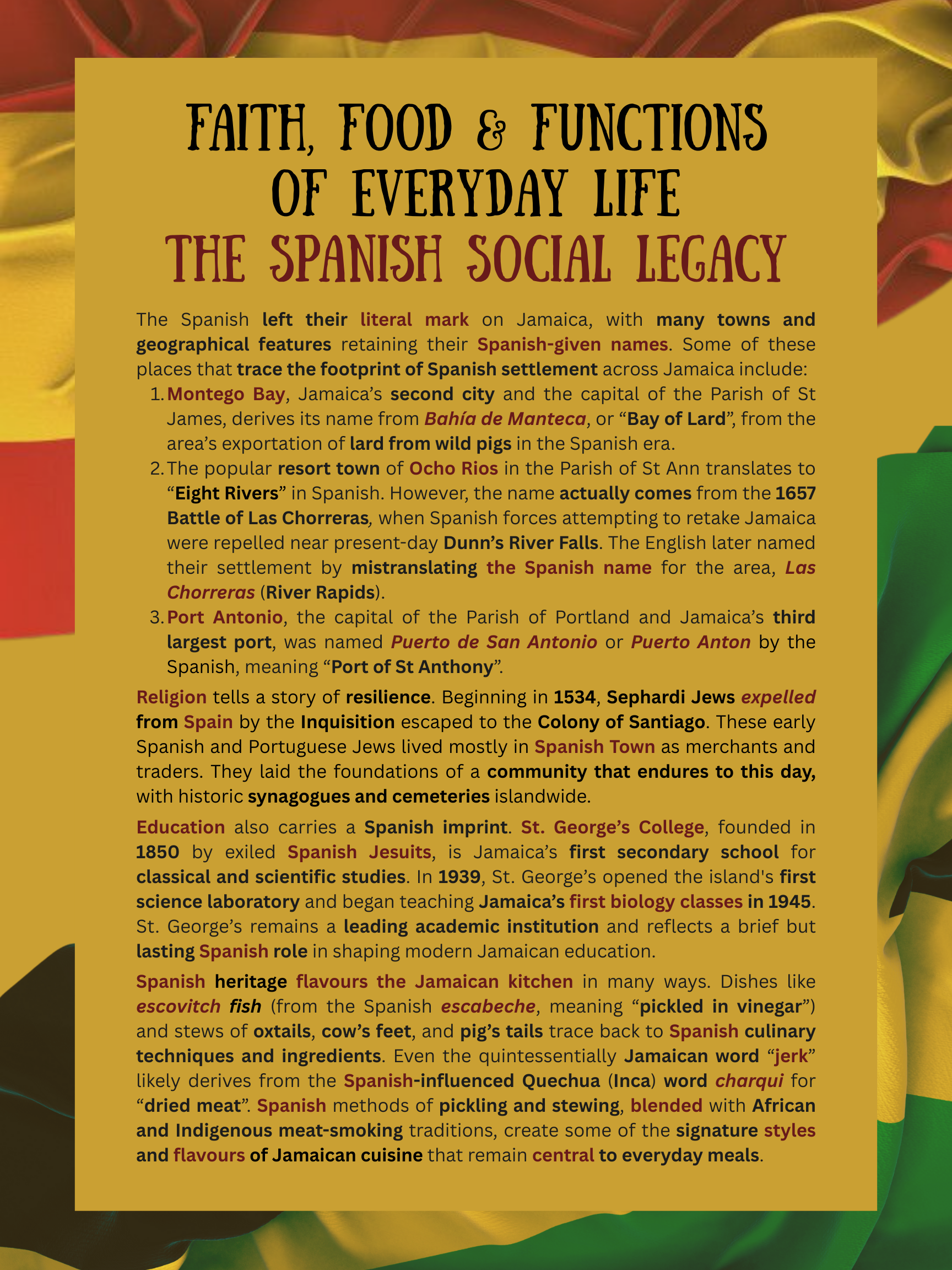
This Replica of an Armet was the standard helmet for soldiers throughout Western Europe in the 15th century. Together with the morion, helmets were worn in suits of armour by Jamaica’s Spanish invaders.
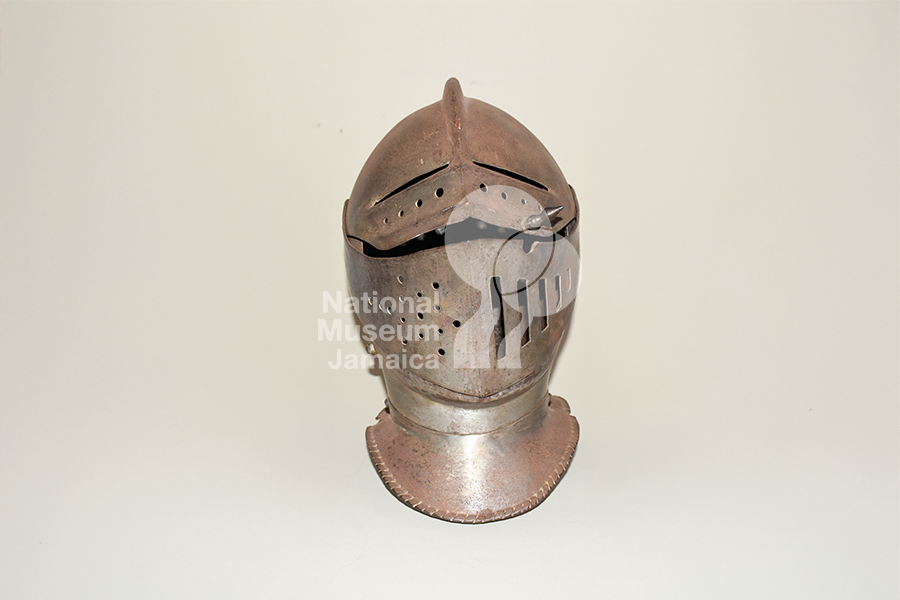
The Taíno Celt & Axe Head shows the distinction between indigenous Jamaican and Spanish weapons. Stone tools, arrows, and spears were overwhelmed by metal armour, steel swords, and ammunition.
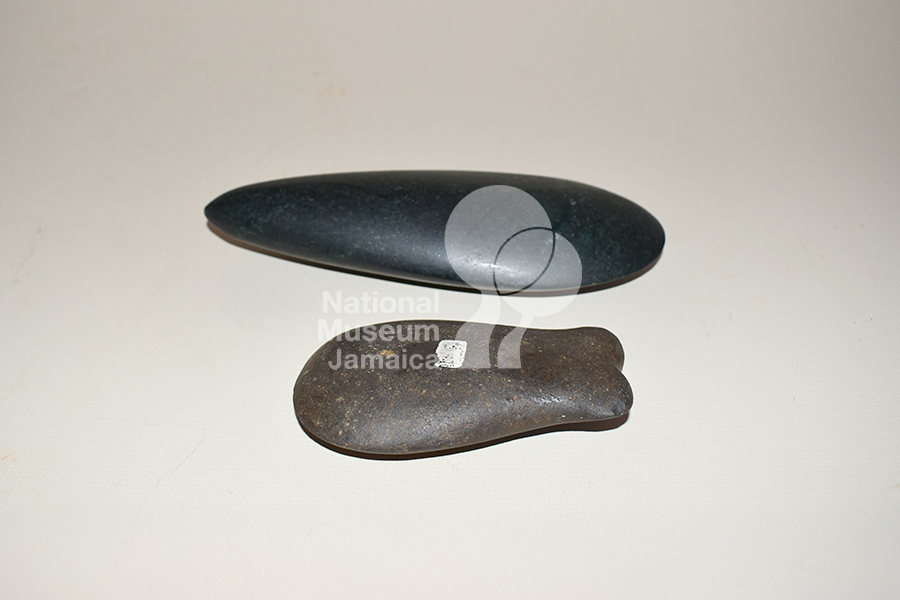
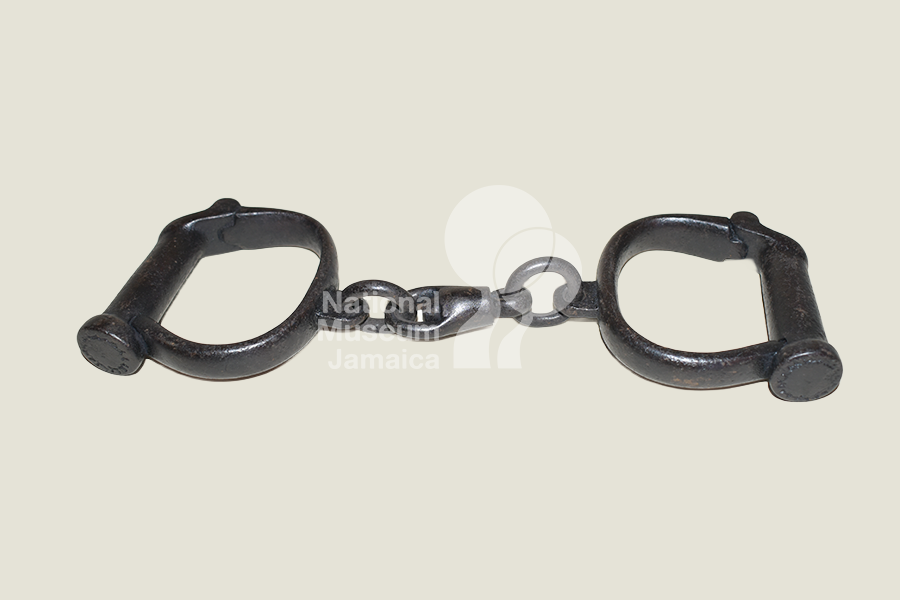
Iron Shackles physically restrained enslaved West Africans to prevent movement or escape. West Africans were first imported to Jamaica directly from Spain at the site of today’s Seville Heritage Park.
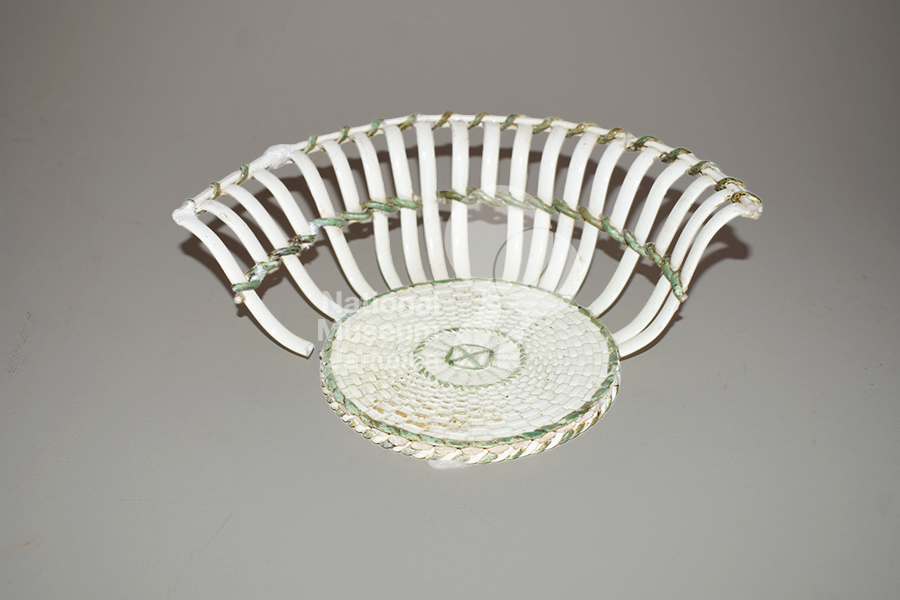
This Wedgewood Ceramic Fruit Basket was found in the ruins of the Old King’s House in Spanish Town. From 1534 to 1872, this Spanish-built city was Jamaica’s capital before governance moved to Kingston.
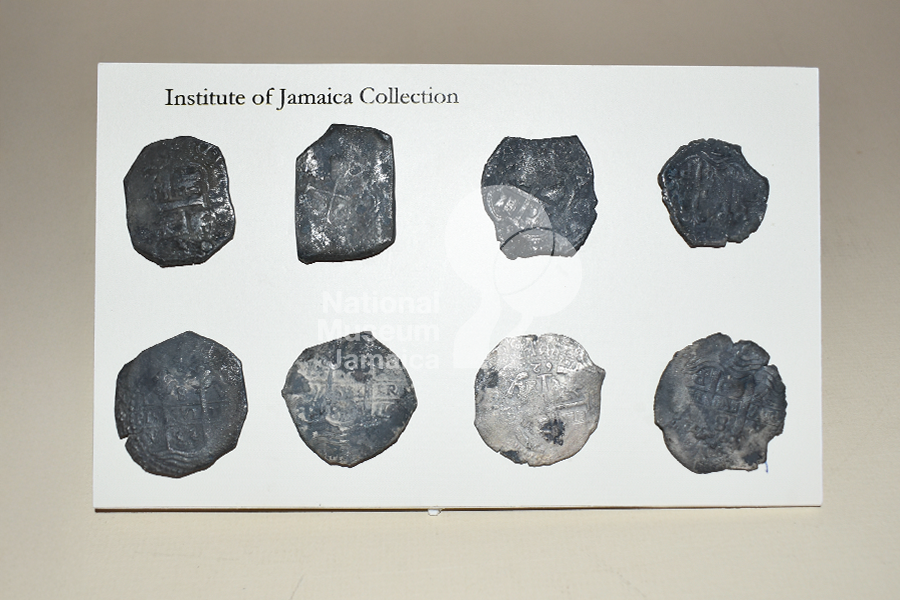
Reales (“cobs” or “dollars” in English) became Spain’s national currency in the 14th century, and were coins minted in ¼-, ½-, 1-, 2-, 4- and 8-real denominations. Reales de Ocho (“pieces of eight”) were legal in the United States (until 1857), serving as a model for today’s U.S. dollar, which still impacts Jamaica.
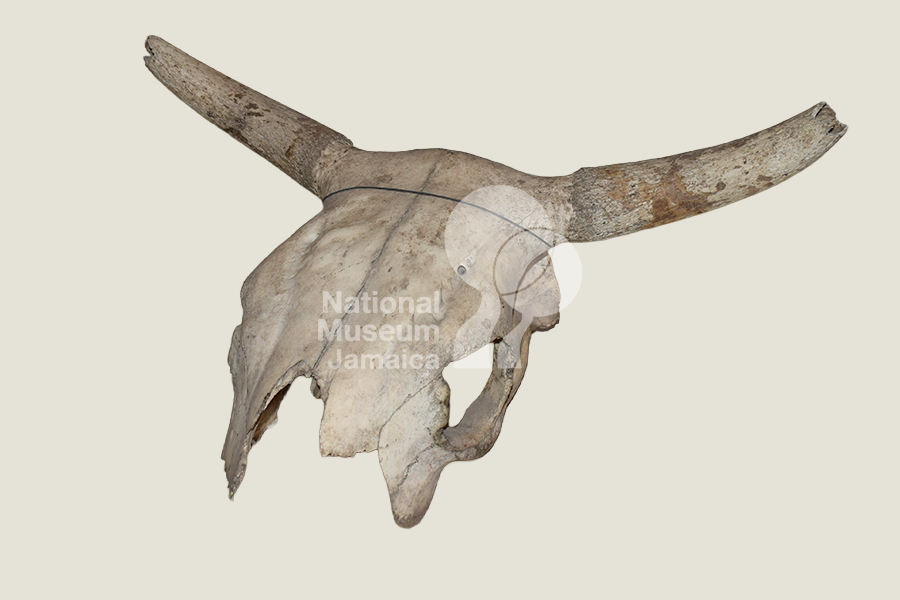
This Cattle Cranium (cow skull) represents the animals the Spanish brought to Jamaica, including sheep, goats, pigs, chickens, horses, donkeys, mules, dogs, and cats. Animals were raised on haciendas (cattle ranches) to supply lard and beef to Spanish ships in transit.
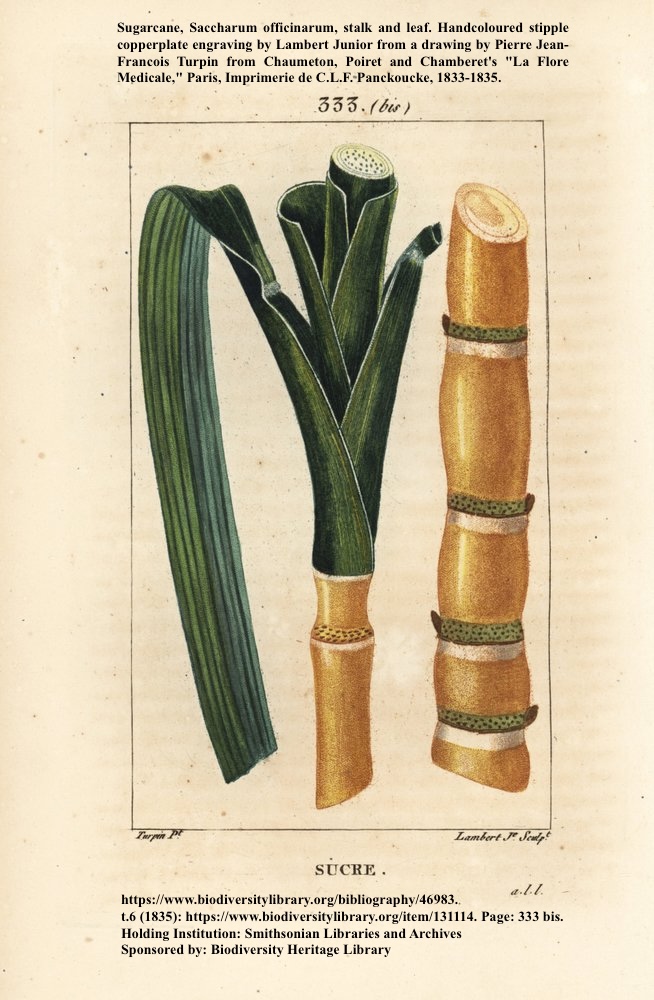
Sugarcane, bananas, coconuts, avocado, ginger, and citrus fruits are some of the plants introduced to Jamaica by the Spanish. Grown for everyday use on haciendas, many of these crops are still important to Jamaica’s economy today.
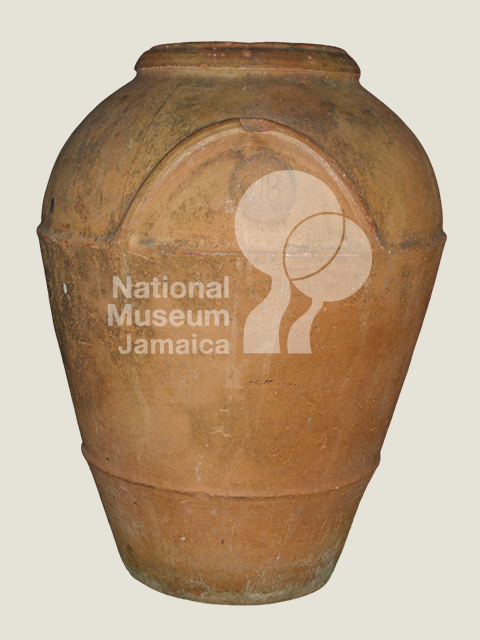
Terracotta Jars (also called “Spanish” or “Panya” Jars) are large clay vessels in which the English imported Italian olive oil and wine. They later became objects of superstition, as many believed they held enchanted Spanish gold, hidden during the English conquest.
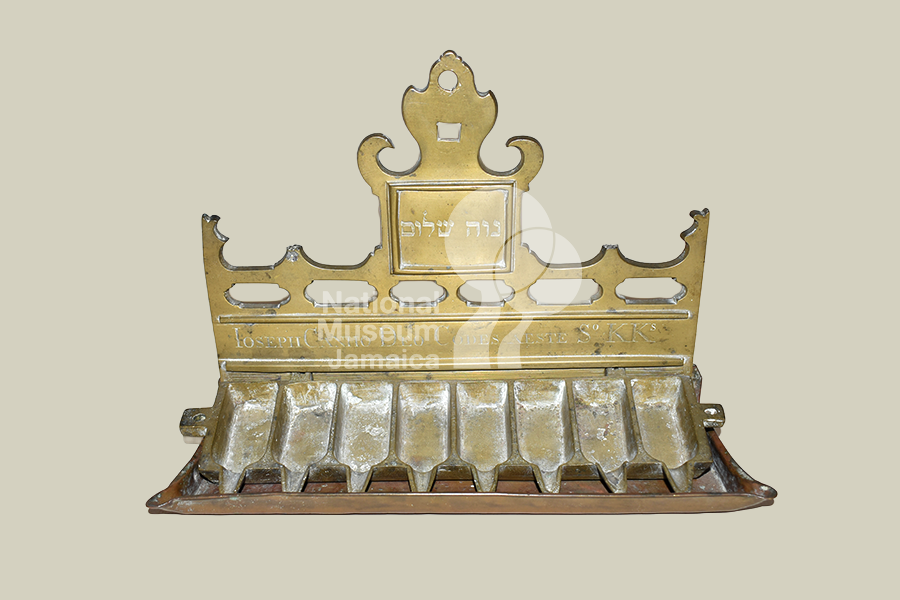
Brass hanging menorahs were decorative oil lamps used in Judaism’s traditional Hanukkah festival. Jews escaping persecution from the Spanish Inquisition first brought this faith to Jamaica in the 16th century
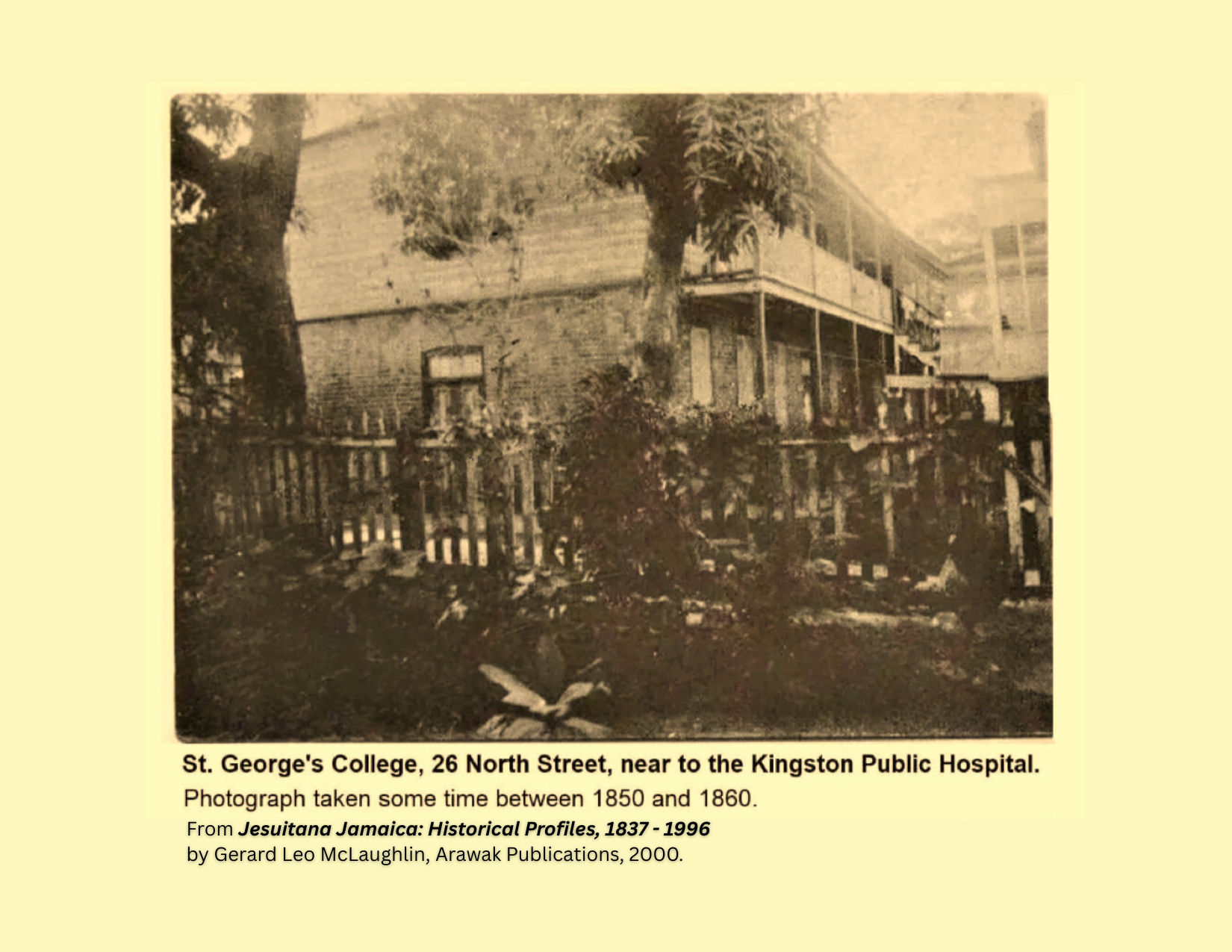
St. George’s College was opened in 1850 by 21 Spanish Jesuits exiled from Colombia. They were led by Fr Emmanuel Gil, the King of Spain’s former preacher, and the school remains a top academic performer.
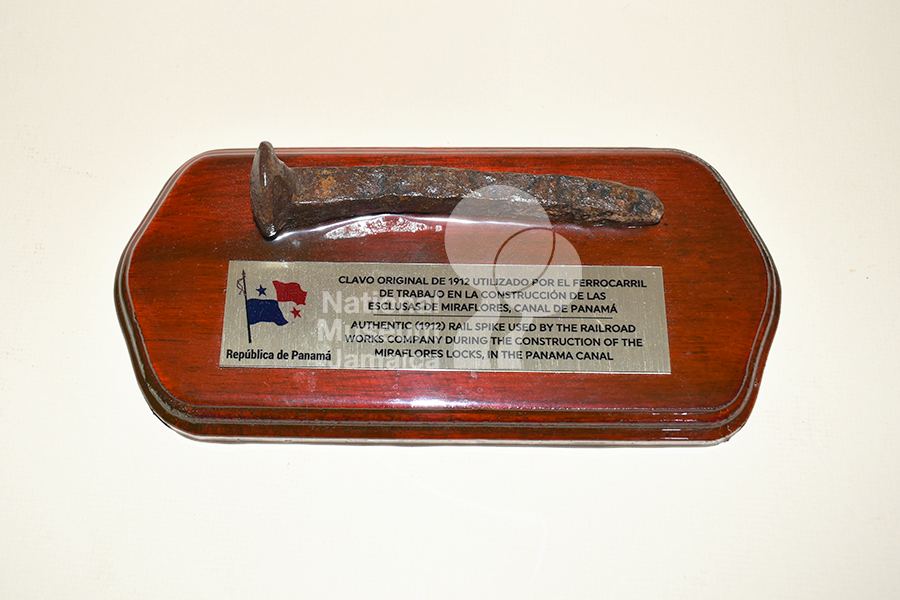
The Panama Canal was built in 1914 by the United States in this former Spanish colony. Thousands of Jamaicans were the main labourers during its construction, many of them dying from dangerous working conditions
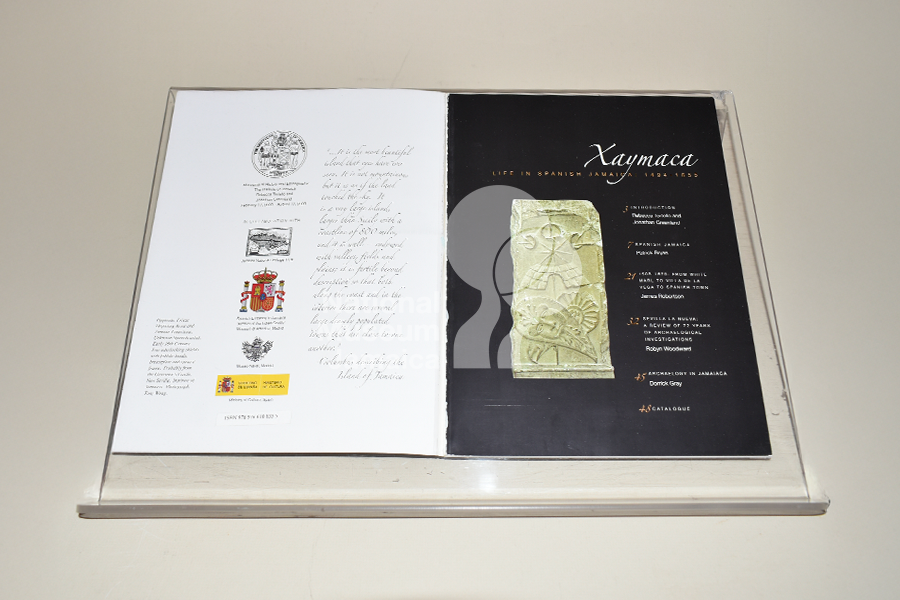
The Embassy of Spain in Kingston began operations in 1977, making it the oldest Spanish embassy in the former British West Indies. In 2009, the embassy collaborated with NMJ on the exhibition XAYMACA Life in Spanish Jamaica: 1494 – 1655.
A Snapshot of Jamaica’s Surviving Spanish Legacy was also featured in the Museum’s Corner of The Jamaican Historical Society Bulletin (Vol. 13, No. 5), published on March 03, 2026. Membership in the Jamaican Historical Society is not required to access the bulletin. This issue will be made available to the general public in June 2026. Please get in touch with the society’s editor for more information: editor@jamaicanhistoricalsociety.org.jm